"Non-Abrasive" VS. Regular Griptape! Does it really save your shoes?
Short answer: Yes, by a lot. I did 100 kickflips on DKL’s rubber griptape and 100 switch flips on regular Jessup grip, then compared the shoes. The regular-grip shoe had a worn sole, faded suede and fraying stitches. The DKL shoe had essentially no damage. The trade-offs: it’s much grippier at first, it’s tricky to install, paint won’t stay on it, and mine started peeling at the nose and tail until I trimmed and re-sanded the edges.
DKL launched a crowdfunding campaign a while back for rubber griptape that’s supposed to grip like regular griptape without sanding your shoes down. I covered it at the time and was a little skeptical. Once they’d filled their orders and launched their website, they sent me some sheets. They didn’t ask for a review, but I figured you’d want to know how it actually holds up. This was the first product review I ever did on the channel.
Why griptape eats your shoes
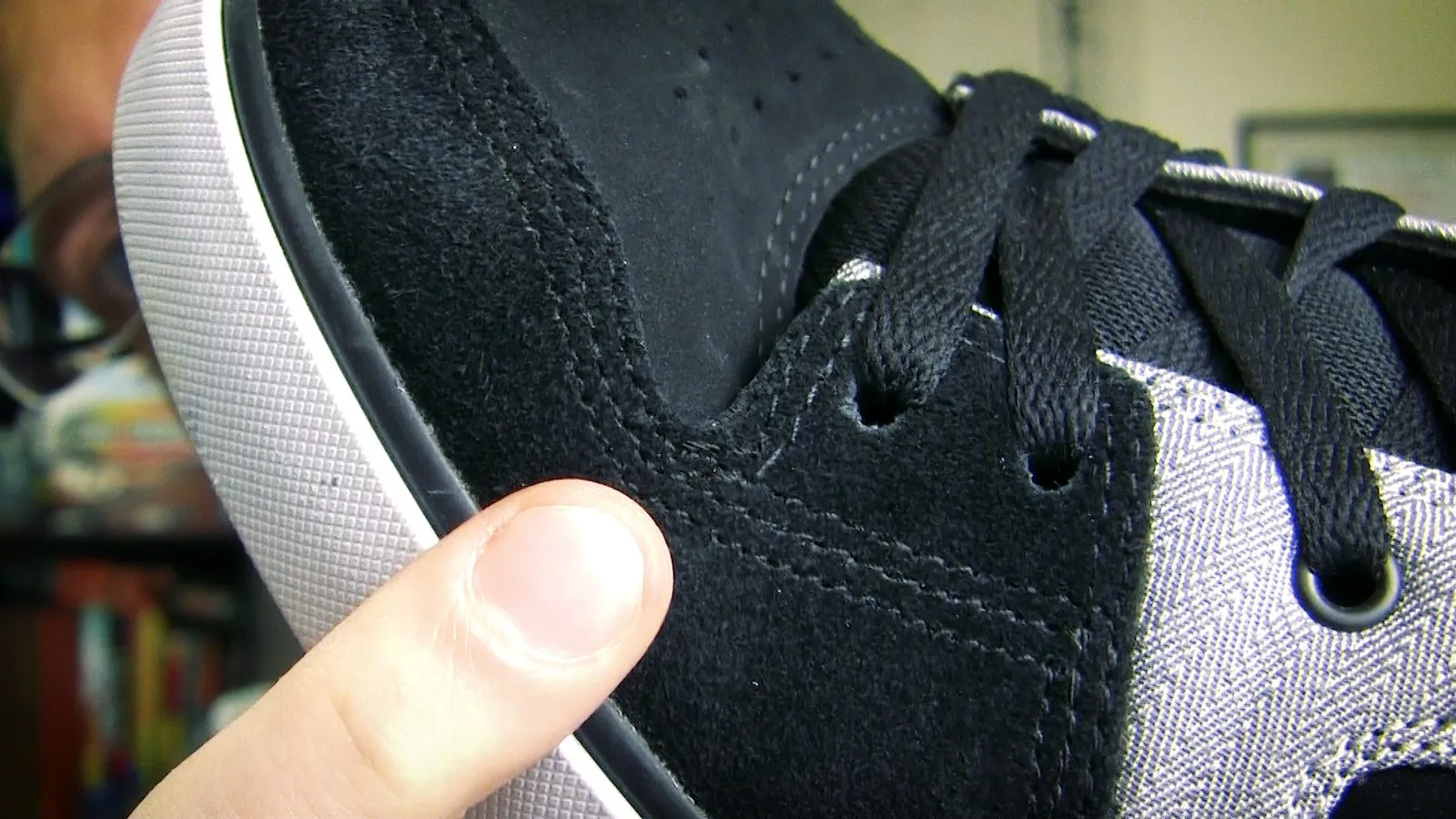
An easy way to tell if a pair of shoes is designed for skating is to look at the kickflip spot on the toe. There’s usually extra material there, and some extra stitching to reinforce it. That’s because griptape is basically sandpaper. At a microscopic level it’s sharp and jagged, so the more you skate, the more you’re sanding down your shoes and breaking your laces.
What DKL grip feels like
Instead of jagged grit, DKL grip is rubber with smooth, even bumps. DKL compared it to a ping pong paddle, and that’s about right. It also reminded me of the rubber mat you put under a rug so it doesn’t slide on a hardwood floor. Same idea: it holds you in place without scratching the surface.
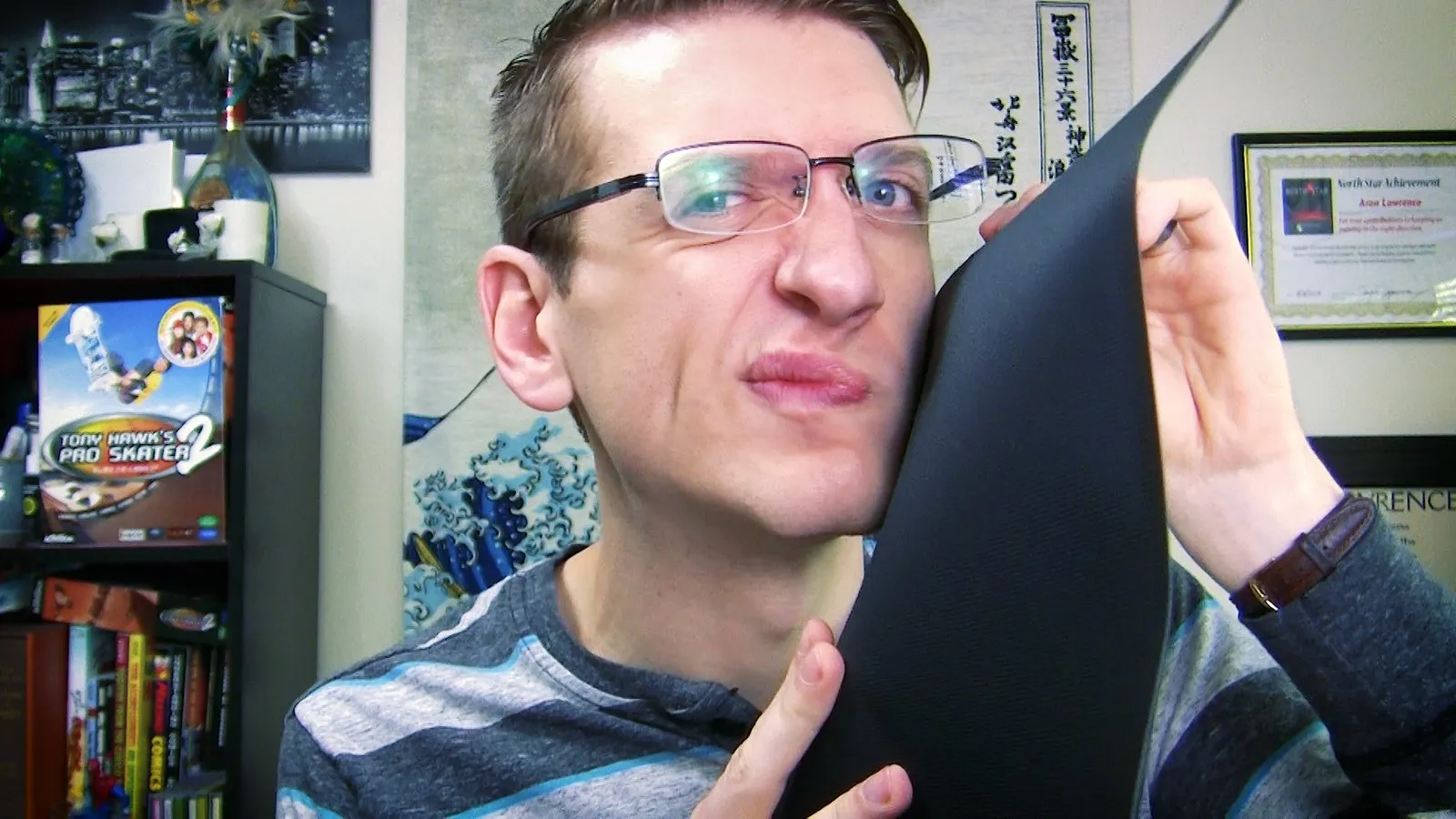
Installing it is harder than regular grip. With normal griptape you file the edge and then cut. With DKL, you have to cut it right after you put it on the board and then sand it. Getting a straight line is tough, and when I sanded it, little chunks came out. My board did not look great. But performance is what matters.
The test
I put it on the deck I’d been skating for a while (pulling off the old Mob grip) and went out in a pair of DC’s I’d walked around in but never skated. I also painted a Rad Rat logo on the kickflip spot to see whether the rubber would hold paint.
The plan:
- Skate my most consistent tricks and see if there’s a learning curve.
- Keep doing kickflips on the DKL board until I hit 100 flick motions.
- Do 100 switch flips on my freestyle board, which has regular Jessup grip, so the other shoe gets the same amount of griptape contact.
- Compare the two shoes.
Kickflip attempts counted whether I landed them or not. All that mattered was the shoe sliding across the grip.
The learning curve
At first I had a lot of trouble with basic stuff. Even a pop shove-it took me a few tries. My most consistent trick, the no comply frontside bigspin flip, which I land about 99% of the time, took me eight tries. The grip is so grippy that when I followed through on the scoop, it grabbed my foot and the board went flying out ahead of me. I had to change my technique, popping down more and pulling my foot back instead of following through. Double kickflips, a basic warm-up trick for me, wanted to fly out too.
If you already ride really grippy griptape, it might not be a big deal. I usually just use whatever free grip the shop throws in with a deck, so for me it was a big difference.
How the griptape held up
My freestyle board’s regular Jessup grip had months of skating on it and still looked clean, just starting to smooth out a little on the tails.
The DKL grip, after maybe half an hour of skating, was already coming off:
- The nose was starting to peel up, even though I barely used the nose.
- The tail was worse. It started lifting on the no comply tricks in my warm-up. When I scooped, the grip would stick to my shoe and twist. I hadn’t sanded the edges too aggressively because I didn’t want to lose the grip around them, so if you get some, be very careful with the sanding.
- The painted logo was 95% gone about 10 minutes into the warm-up, and 100% gone by the end. That’s the most-used spot on any griptape, but still.
- The kickflip spot was getting smooth and pilling. You could rub it with a finger and it would come off. Normal grip wears too, but it was more noticeable here.
The upside of that wear was that it got less grabby as I went, so I got more used to it.
Two weeks later
There’s sometimes a gap between finishing a video and posting it. In this case I’d been skating the DKL grip for about two weeks before it went up, and I added an update. Basically all my problems were gone. I got my tricks back pretty much right away, filmed a frontside flip trick tip on it with no problem, and even learned no comply bigspin flip late flips on it. I trimmed off the parts that were peeling and sanded the edges down thoroughly, and after that it stayed put.
So there’s a transition period, but once you’re past it, it’s actually really good.
The shoe results
This is the big claim, and it’s the most important part.
Regular grip (100 switch flips): It didn’t look great. The sole was starting to wear away, the black was fading, and the area around the stitching was getting fuzzy and starting to fray. That’s about what you’d expect after 100 kickflips.
DKL grip (100 regular kickflips): This shoe actually did more work, since it also got the pop shove-its, pressure flips and warm-up tricks. A little roughness, and the pattern on top faded a tiny bit, but there was essentially no damage. The spot that was fraying on the other shoe was completely fine.
It was a night and day difference, and I was really surprised.
Is it worth it?
It depends on you. If you already like really grippy griptape, I’d jump right in. If your setup is so dialed in that you can barely ride a friend’s board, you might have a hard time adjusting.
You also have to deal with the tricky install, possible peeling if you don’t sand well, and not being able to paint it. For me, saving shoes is worth it. I buy my shoes on clearance at the outlet store, so if it makes them last that much longer, I can get used to the extra grip and sand it a little better. At the time, the grip was $10, a couple of dollars more than regular griptape.
I think this is probably the way griptape should go in the future. I hoped they’d solve the peeling problem, but I really like the idea.